Why voice training is
already shaping your identity,
whether you realize it or not

Most people hear “gender-affirming voice lessons” and assume it’s for trans people.
And yes, it is.
But that framing is incomplete.
Because the deeper truth is this:
there is no such thing as a voice that hasn’t already been shaped by gender.
I Didn’t Realize I Was Already Doing This Work
When I first started offering gender-affirming voice lessons, I thought I was stepping into something specific.
A niche. A community. A specialization.
But very quickly, I realized:
I had always been doing this.
Because singing itself is gender-affirming.
Not in a branded sense. Not in a political sense.
In a physiological and social sense.
Singing is the act of taking ownership over how you sound in the world.
And the moment you really listen to someone’s voice, you start to hear patterns:
where they hold tension
where they pull back
where they push for approval
where something opens
None of that is random.
It’s learned.
Your Voice Was Trained Before You Ever Chose It
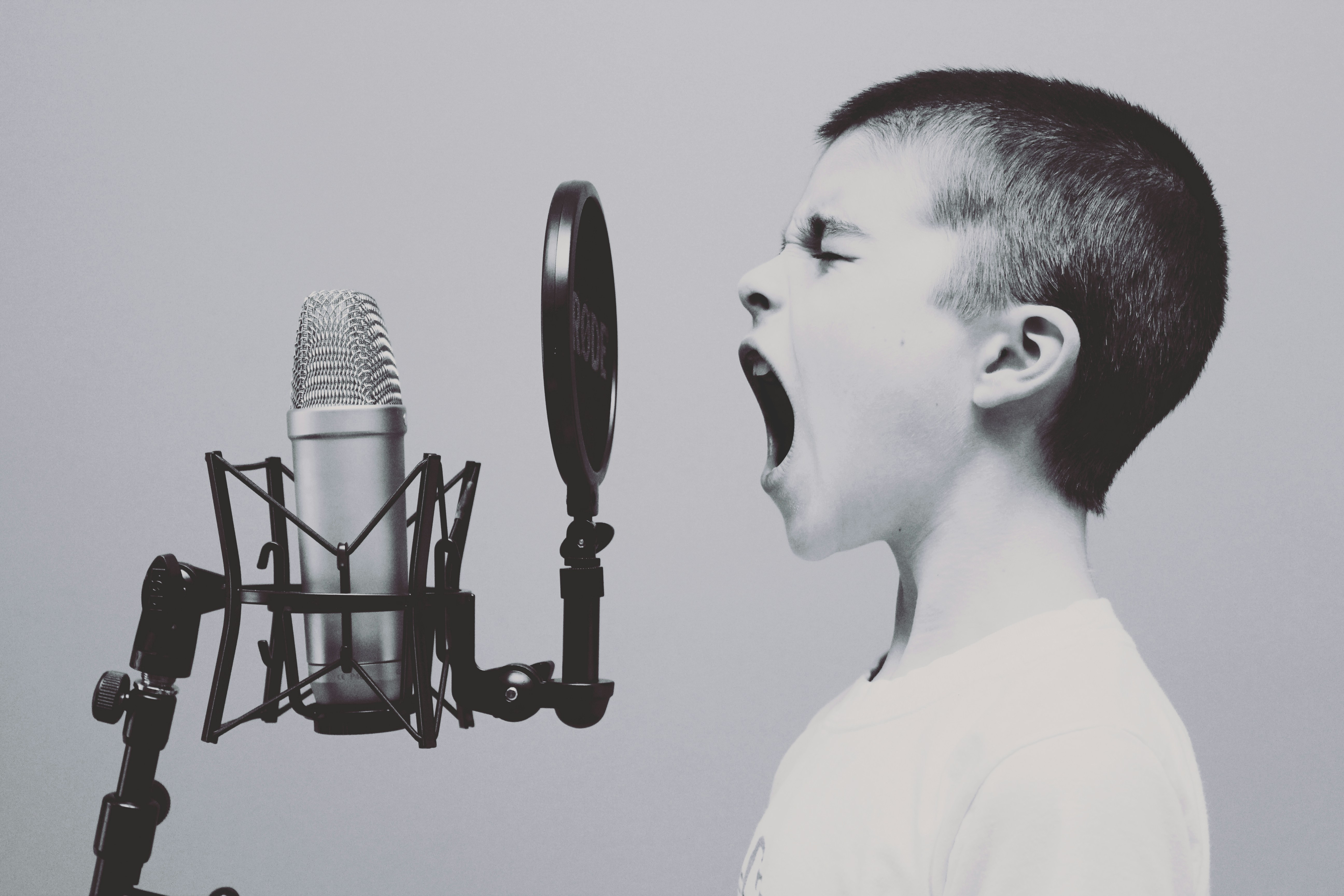
Before you ever made a conscious choice about your voice, your voice was already being shaped.
By:
what made people comfortable
what kept you included
what got corrected
what got praised
Over time, that becomes automatic.
Repetition becomes pattern.
Pattern becomes reflex.
And eventually, people say:
“This is just my voice.”
But often, it isn’t.
It’s a record of what was allowed.
The Part People Avoid Saying Out Loud
As a trans person, I’ve had the unusual experience of moving between different vocal realities.
And I don’t mean internally.
I mean socially.
There are moments where I am read one way, and moments where I am read another.
And the response changes instantly.
how long someone listens
how seriously they take what I’m saying
how much space I’m given
These are not subtle shifts.
They are structural.
So when someone wants to change their voice to sound more masculine, more feminine, more neutral, more “passable”
that is not vanity.
That is not confusion.
That is often:
a strategic response to how the world actually works.
The Controversial Truth: There Is No “Natural Voice”
Here is the claim that tends to unsettle people:
What you think is your “natural voice” is often just your most practiced compliance.

Not your anatomy.
Not your essence.
Your compliance.
Because what we call a “natural” voice is usually:
the voice that received the least resistance
the voice that required the least explanation
the voice that kept us safest in our environment
That’s not neutrality.
That’s conditioning.
Let’s Push This Further
We are taught:
men’s voices are naturally lower
women’s voices are naturally lighter
certain tones signal authority, others signal softness
But ask yourself:
If you took a child and removed all gendered vocal feedback, what would their voice become?
We don’t actually know.
Because that experiment has never been allowed to happen.
Instead, we reinforce vocal behaviour constantly:
“don’t sound like that”
“speak up”
“lower your voice”
“that’s too much”
So here is the more radical version of the claim:
Most people are not speaking with anatomical limitation.
They are speaking within socially enforced bandwidth.
And once you see that, you can’t unsee it.
Gender, Power, and the Voice
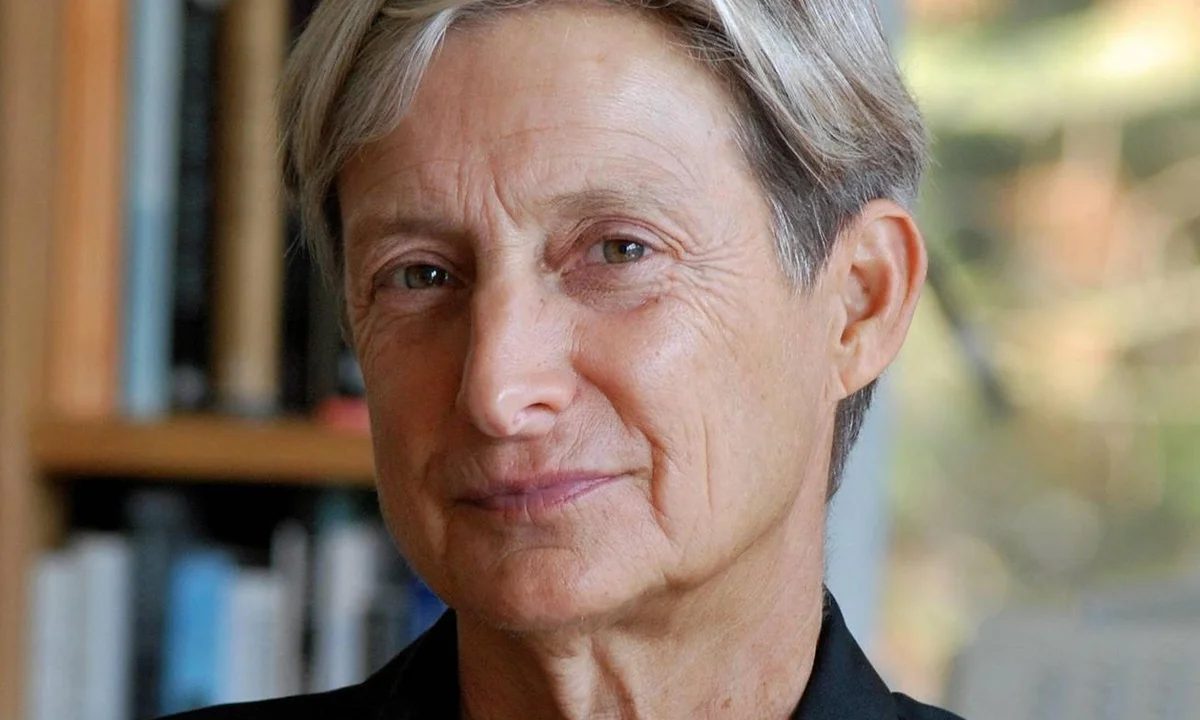
Judith Butler writes:
“Gender is the repeated stylization of the body, a set of repeated acts within a highly rigid regulatory frame.”
— Gender Trouble (1990)
Voice is one of the clearest examples of this.
It is not just expressive.
It is regulatory.
It is one of the primary ways we are:
categorized
interpreted
accepted or rejected
Which means your voice is not just something you have.
It is something you have been trained into performing.
What Gender-Affirming Voice Training Actually Is
Gender-affirming voice training is often misunderstood as:
helping someone “sound like” a different gender
correcting something that is “wrong”
But at its best, it does something much more precise:
It increases access.
It allows someone to:
notice patterns in real time
experiment outside of them
choose intentionally instead of defaulting automatically
For some people, that means aligning with a gendered expectation.
For others, it means expanding beyond it.
Both are valid.
Because the point is not the outcome.
The point is having a choice.
This Isn’t Just for Trans People
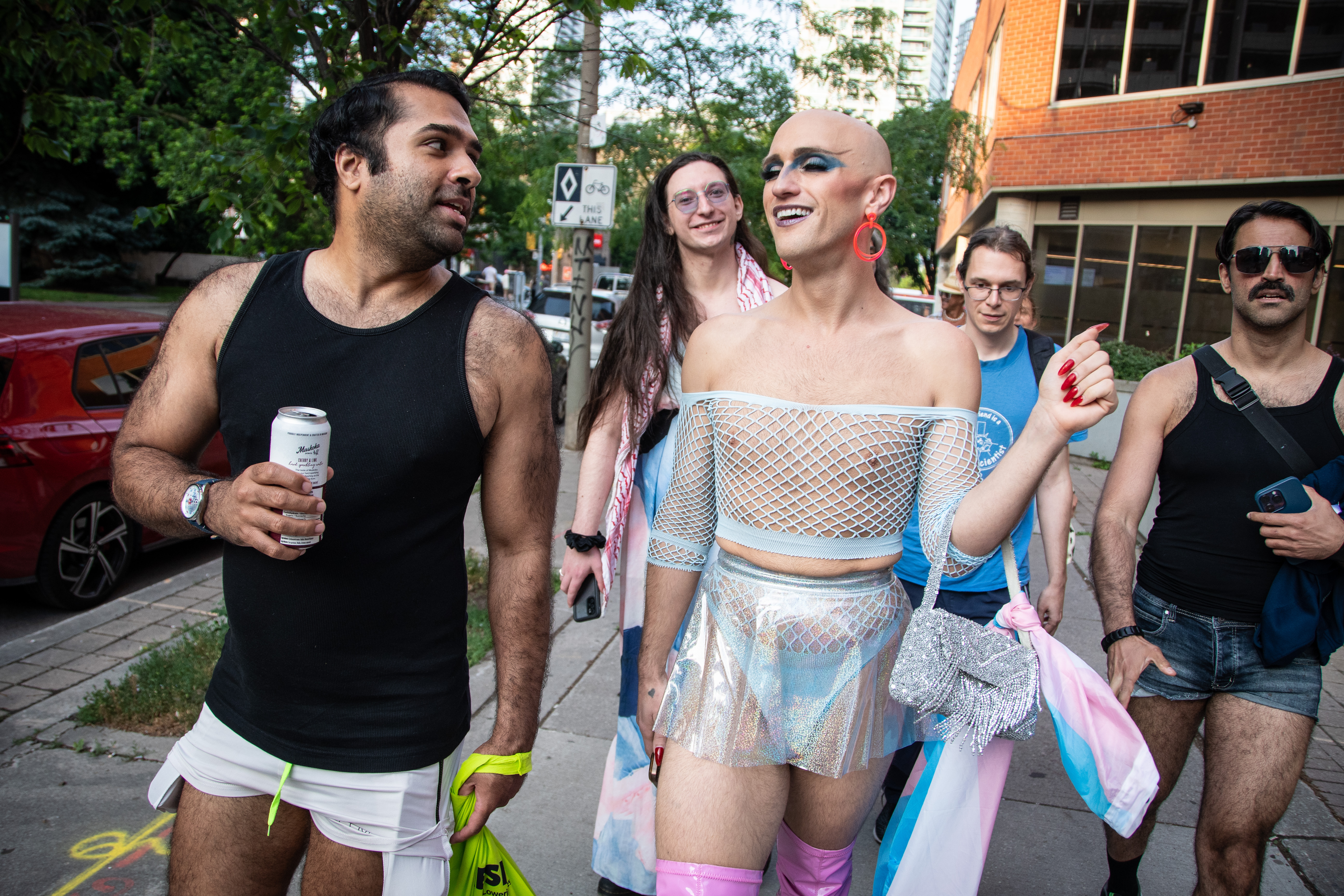
Trans people often feel this most acutely.
Because the friction is visible.
But this applies far beyond that.
It applies to:
men who were taught to suppress higher resonance
women who lower their voices to be taken seriously
performers who split themselves between “stage voice” and “real voice”
anyone who edits themselves mid-sentence without knowing why
So here’s another uncomfortable but honest statement:
Most people have already modified their voice to survive socially.
They just don’t call it gender-affirming.
Hormones, Training, and Misconceptions
There are also persistent myths about what changes a voice.
For example:
estrogen does not significantly alter vocal pitch
testosterone can thicken the vocal folds, but does not teach coordination
What changes a voice most reliably is:
training, awareness, and use.
Muscle coordination.
Breath patterning.
Resonance shaping.
And more importantly:
permission to use those tools.
So What Is the Work, Really?
This work is not about fixing your voice.
It’s about interrupting automation.
It’s about noticing:
when you hold back
when you shift to be accepted
when you abandon your own impulse mid-expression
And then asking:
what would happen if I didn’t?

Final Thought
If there’s one thing to take from this, it’s this:
Your voice is not just who you are.
It is also what you were allowed to be.
And the moment you start working with it consciously,
you begin to separate the two.