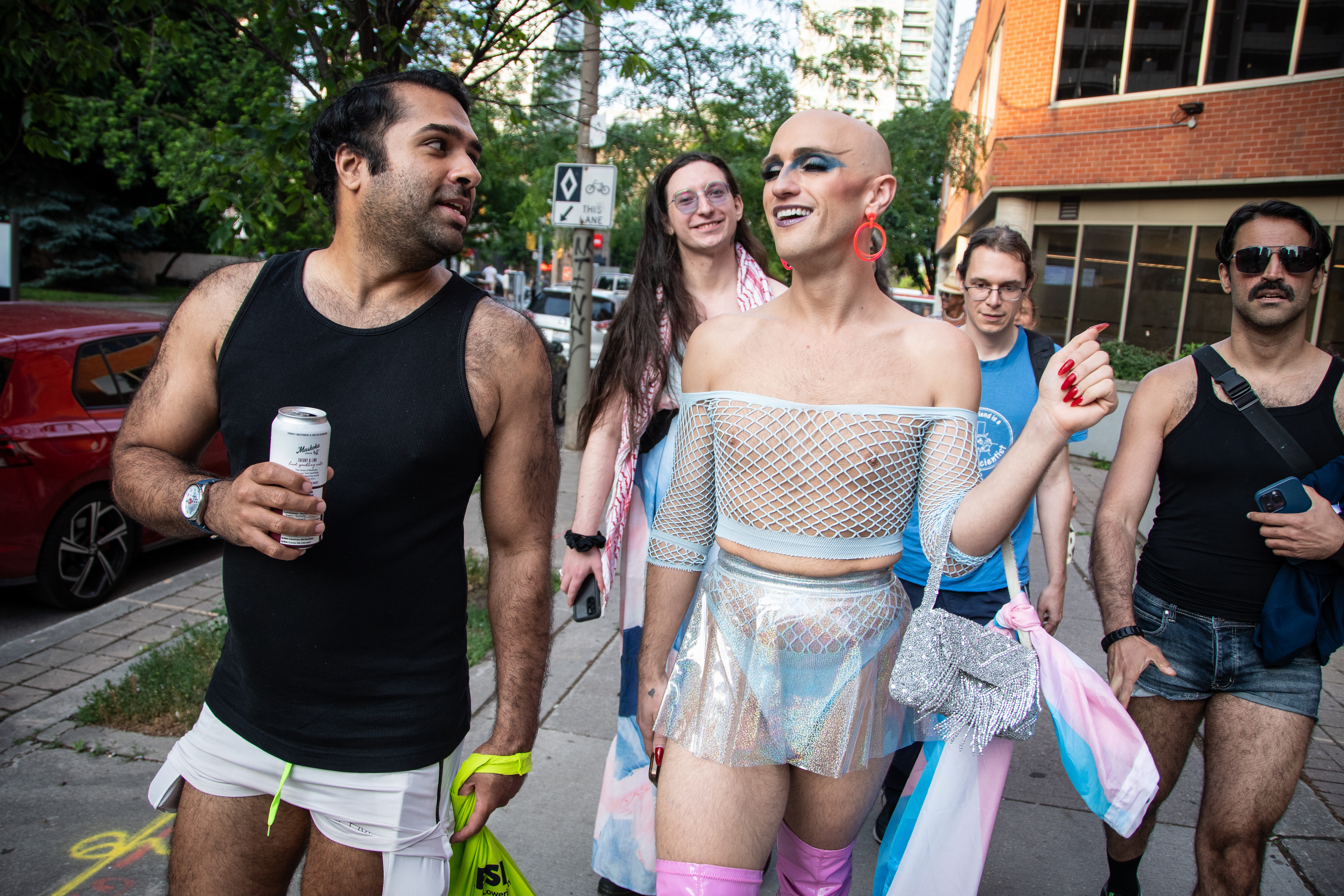
Photography from trans pride by Justin Anantawan
Most people don’t come to me to find their voice.
They come to fix it.
To make it smoother.
Safer.
More acceptable.
Normal.
And on Trans Day of Visibility, I want to say this clearly:
Your voice was never the problem.
The Voice Is Not Just Sound. It’s a Survival System
The voice is not separate from the body.
And the body is not separate from experience.
From a neuroscience perspective, voice production is shaped by perception, prediction, and motor control.
Before you even speak or sing:
Your brain predicts what your voice will sound like
Your nervous system assesses whether that sound is safe
Your body adjusts accordingly
This happens in milliseconds.
If a sound has ever led to:
being misgendered
being mocked
being punished
being unsafe
Your brain learns to intervene before the sound even happens.
This is not a flaw.
This is learning.
When the Brain Learns to Silence the Voice
Neuroscience often describes two systems:
fast, automatic responses (implicit, embodied)
slower, conscious control (effortful, deliberate)
What happens for many trans and Queer people is this:
We begin by consciously adjusting ourselves to survive.
Then, through repetition, that adjustment becomes automatic.
It becomes the voice.

As articulated in my collaborative research with Dr. Reubs J. Walsh:
repeated “performances” of socially acceptable behaviour become internalized as automatic impulses, often carrying self-denial and self-suppression within them
In other words:
What started as protection becomes identity.
And that identity can feel like truth.
This Is Why People Feel Like They’ve “Lost” Their Voice
In the studio, I hear this all the time:
“I don’t know what my real voice is anymore.”
That feeling is not abstract.
It is neurological.
There is a feedback loop:
You anticipate a sound
Your body constricts to control it
The sound comes out limited
You hear that limitation
You reinforce the belief
Over time, your range of expression narrows.
Not because your voice is incapable
but because your system has learned:
less is safer
The Physical Reality of Trans Voices
There are also very real physiological patterns I see consistently.
For example:
Many trans women who begin modifying their voice early, without support, develop:
habitual constriction in the larynx
reduced breath flow
over-reliance on pitch rather than resonance
persistent vocal fry as a stabilizing strategy

This often comes from a very understandable place:
We are taught that femininity = higher pitch.
So people reach for pitch
instead of exploring tone, resonance, and coordination.
The result?
A voice that feels:
small
effortful
disconnected
Not because it is inherently limited
but because it has been over-directed instead of explored.
The Voice Is Not Binary. It Never Was.
Pitch is not gender.
Tone is not gender.
Resonance is not gender.
The voice is already expansive.
But we are taught to divide it:
chest vs head
masculine vs feminine
acceptable vs unacceptable
Even language reflects this.
We call part of the voice “falsetto”
as if it is false.
But physiologically, the voice is a coordinated system.
Everything is connected.
You don’t have multiple voices.
You have one voice with multiple possibilities.
Trauma Lives in the Voice
For many of us, this is not just technical.
It is deeply personal.
Tension in the jaw.
Holding in the breath.
Restricting sound.
These are not random habits.
They are adaptations.
As reflected in my own work and research:
trauma can shape muscular holding patterns
those patterns directly affect vocal production
releasing them can feel both freeing and destabilizing
Because when the body lets go,
it is not just releasing sound.
It is releasing history.
This Work Is Not Therapy. But It Is Therapeutic.
Let me be clear:
This is not therapy.
But it has therapeutic effects.
Because when you change how you use your voice,
you change how you experience yourself.
This is why I’ve chosen to develop this work alongside
Dr. Reubs J Walsh, a cognitive neuroscientist and gender studies scholar whose research explores how identity, environment, and embodiment shape perception and agency
Their role in this work is not to medicalize it,
but to support:
ethical process design
accessibility
neurodivergent and trauma-aware approaches
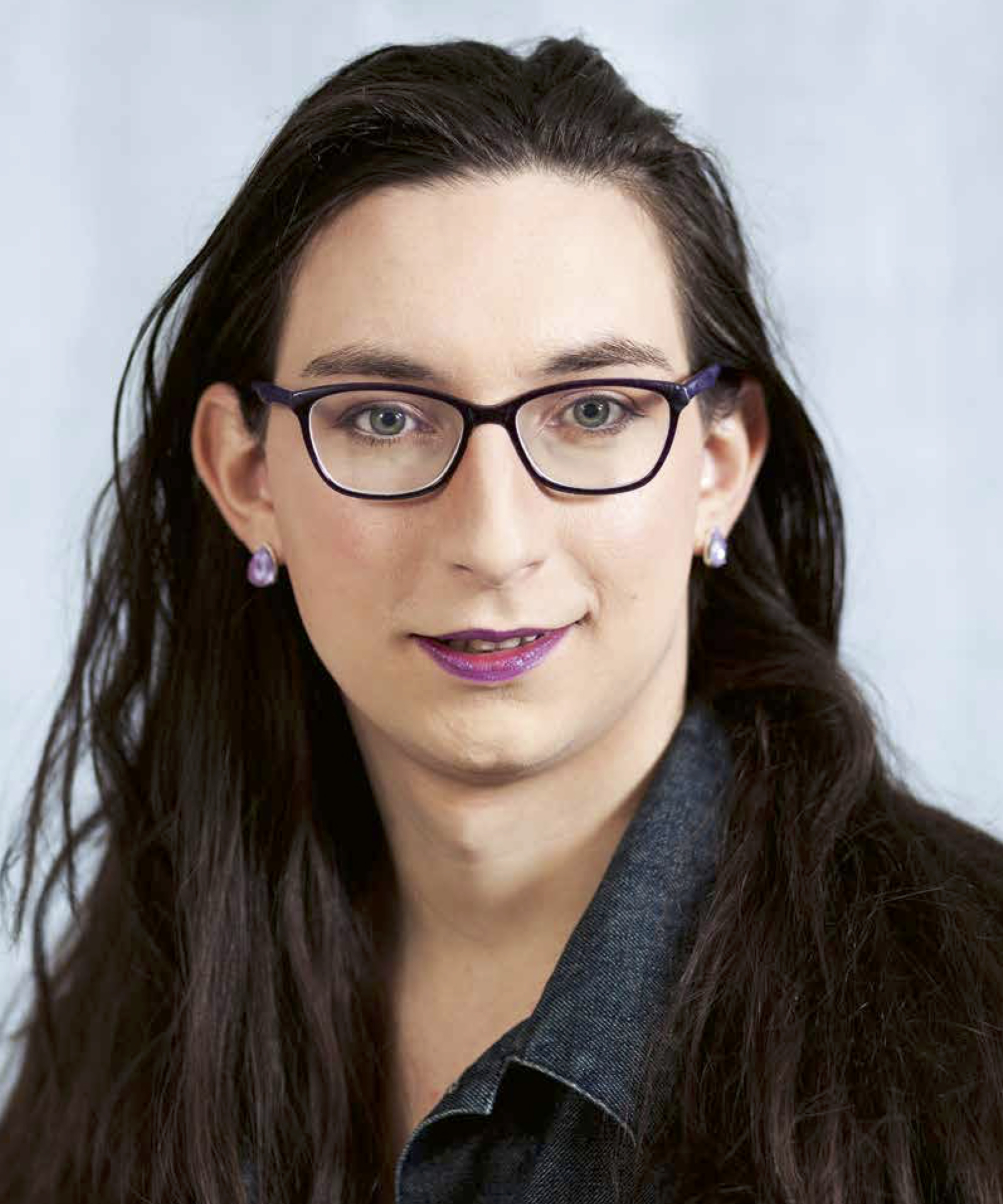
Together, we are asking:
What allows a voice to emerge without coercion?
And how do we build structures where that is actually possible?
Voice as an Embodied, Relational Event
In our methodology, voice is not treated as an object to fix.
It is treated as something that happens
between:
body
environment
perception
relationship
As outlined in my research:
voice is an embodied, relational event shaped by nervous system state, consent, and context
Which means:
You cannot separate technique from safety.
Singing as Exposure. Singing as Liberation.
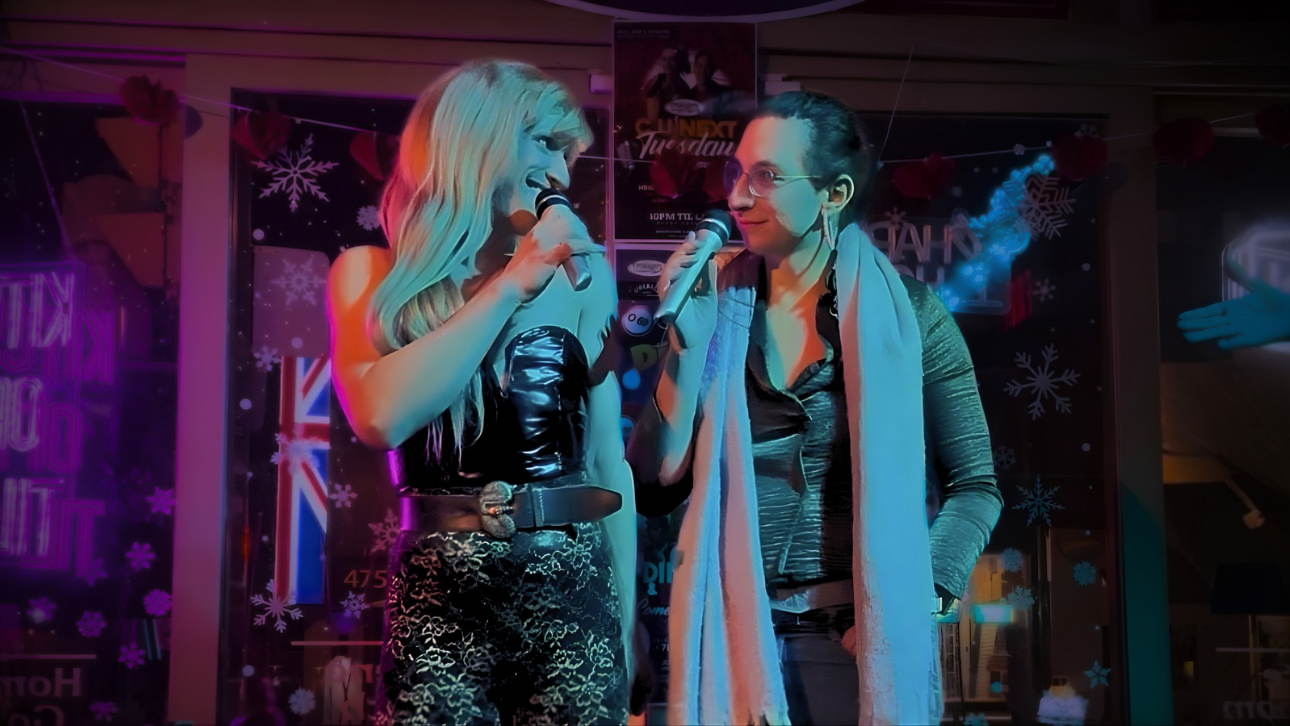
When someone sings in my space,
they are not just making sound.
They are:
interrupting conditioned patterns
testing new possibilities
creating new neural pathways
This is why singing can feel emotional.
It is not just expression.
It is repatterning.
Through repetition, new experiences of the voice
can become new automatic responses.
New impulses.
New identity.
What If You Don’t Know What You Want to Sound Like?
This is more common than you think.
Not everyone comes in with a clear goal.
Some people come in with:
confusion
curiosity
grief
nothing at all
And that is enough.
Because this work is not about forcing an outcome.
It is about creating a space where something can emerge.
What I Actually Offer
I offer:
a structured, science-informed approach to voice
grounded technique rooted in vocal physiology
a trauma-aware, consent-based environment
space to explore without pressure to perform
And most importantly:
permission
Permission to make sound without flinching.
Permission to take up space.
Permission to not know.
Redefining “Normal”
If we’re going to use that word at all:
Normal should mean:
safe
fed
not fighting for your life
Everything else?
That’s where art lives.
This Is Trans Day of Visibility
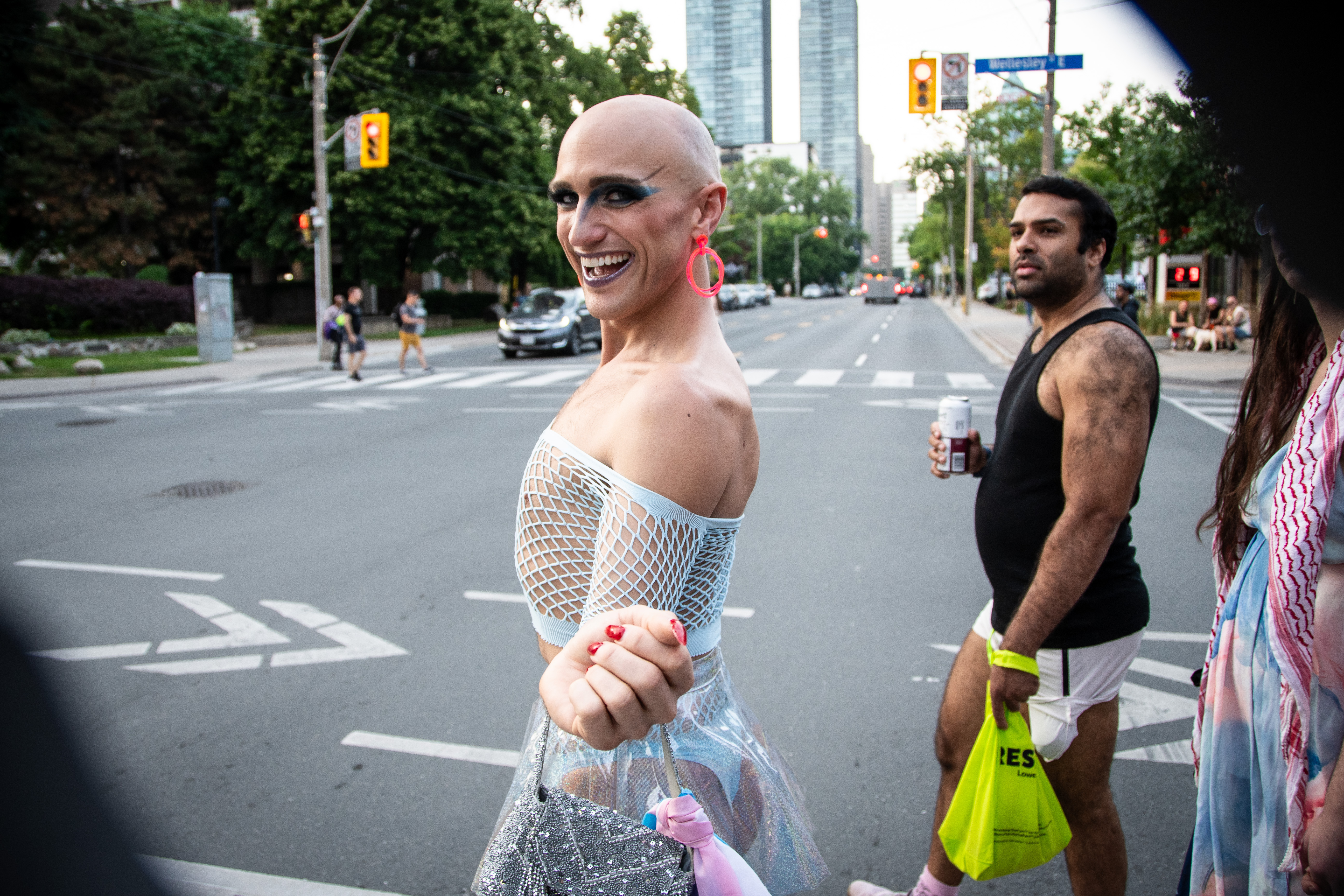
And visibility is not just being seen.
It is being heard.
Fully.
Honestly.
Without shrinking.
Work With Your Voice
If you’re in Toronto, or working online, and you’re ready to explore your voice differently:
👉 Gender-Affirming Voice Program
You don’t need to fix your voice.
You need to meet it.